
Functional Medicine
Healing from the inside out
Chronic disease, fatigue, pain, and illness are common and expected in our world. Even though many people live with poor health, it doesn’t mean that these symptoms are “normal.” The truth is that the human body is perfect by design – disease and problems only start to happen when the system is out of balance and affected by outside influences.
Too often, Western medicine has a hard time finding the cause of health concerns, so doctors simply hide the symptoms with prescriptions. Optimal health doesn’t happen when medications are used without getting to the root cause of disease.
Functional medicine bridges the gap, using a modern medical approach paired with lifestyle modifications to reestablish health and wellness. This full-service method takes a holistic approach to look at the human body as a whole, instead of addressing a small silo of symptoms without looking at contributing factors.
Our Approach
At Back On Track 2 Wellness, we use a modern approach to help you stop chasing the symptoms. Through functional medicine, you get a whole-person care plan that incorporates neurology, endocrinology, immunology, nutrition, and exercise.
While conventional medicine treats the disease, Functional Medicine differs because it cares for the individual. This method goes beyond the symptoms and supports the healing mechanisms in the body. We always start by asking the most critical questions:
- WHY are you sick?
- WHAT is the cause of the symptoms?
- HOW can lifestyle modifications restore balance?
- WHAT is needed for prevention in the future?
Our goal is to get past the symptoms to design the most effective plan for you to feel better. At Back On Track 2 Wellness, we focus on finding the root causes of your problems instead of hiding your symptoms to make you feel better.
Lifestyle medicine is an evidence-based practice of assisting families and individuals in adopting and continuing behaviors that can improve health and quality of life. Not only do we address immediate health concerns, but we also take a proactive approach to minimize the risk of health issues in the future.
better.
The new landscape of healthcare
We offer telehealth nutrition and functional medicine sessions to keep accessible with your busy lifestyle.
The six key pilars of lifestyle medicine
Physical Activity
Healthy Eating
Restorative Sleep
Stress Management
Avoiding Risky Substances
Social Connection
“The food you eat can be either the safest and most powerful form of medicine or the slowest form of poison.”
- Anne Wigmore
Our core belief is that chronic pain and illness stem from physical imbalances, most of which are easily modifiable. When the body's signals are ignored, environmental factors quickly lead to a chain reaction of chronic symptoms.
Adjusting these modifiable factors can restore health. 90% of patients who come to see Dr. Todd are ready to make a change in their lives. When we begin to teach these modifiable factors, it begins to connect people back to what true health really is: SELF CARE. It connects them back to what matters most, and many start to see relief from side effects and symptoms caused or uncured by traditional medicine.
The new landscape of healthcare
We offer telehealth nutrition and functional medicine sessions to keep accessible with your busy lifestyle.
Nearly 90% of health is socially determined, meaning determined by what we eat, how we move, our environment and how we manage stress.
- American Journal of Preventative Medicine
Back on Track 2 Wellness specializes in helping you with...
autoimmune diseases
Celiac disease
Chronic conditions can start in the gut, especially when a person has undiagnosed Celiac Disease. The Functional Medicine approach is to reduce inflammation and establish balance through dietary and lifestyle adjustments.
Common symptoms: Fatigue, digestive issues, joint pain, depression and anxiety, weight loss
Lupus
Through lifestyle modifications, Functional Medicine helps to calm the inflammation from the autoimmune response. This approach can minimize lupus flares and reduce common symptoms.
Common symptoms: Joint pain or swelling, muscle pain, hair loss, fatigue, brain fog, skin rashes
Hashimoto’s thyroiditis
The most common cause of hypothyroidism is often rooted in an autoimmune response happening in the body. Our approach is to restore balance, which naturally balances antibodies and restores thyroid function.
Common symptoms: Fatigue, cold intolerance, constipation, dry skin, brain fog, insomnia
Rheumatoid & psoriatic arthritis
Inflammation and deposits in the joints result in arthritis, which can lead to chronic pain and functional issues. Through Lifestyle Medicine, you can reduce the symptoms by combatting the underlying causes of inflammation.
Common symptoms: pain or stiffness in more than one joint, joint swelling, fatigue, weakness
Sjogren’s syndrome
This condition doesn’t need to stop you from living life to the fullest! Our team helps with a personalized lifestyle plan that addresses the root cause of inflammation and discomfort.
Common symptoms: Dry mouth, dry eyes, fatigue, joint pain and stiffness, trouble sleeping, brain fog
Grave’s disease
Grave’s Disease affects thyroid function, which has a domino effect on many functions in the body. By getting to the root cause of this condition, you can live your best life with minimal symptoms.
Common symptoms: Fatigue, rapid heart rate, heat intolerance, hand tremors, diarrhea, bulging eyes
blood sugar
Hypoglycemia
Not only is stabilizing blood sugar necessary to manage hypoglycemia, but essential Lifestyle Medicine strategies help people thrive. Addressing the root cause is critical to alleviating the symptoms that occur from blood sugar issues.
Common symptoms: shakiness, irritability, dizziness, nausea, weakness
Insulin Resistance
If the cells aren’t responding correctly to insulin binding, then it takes more than medication to get to the foundation of your health issues. Functional Medicine can bring balance in all functions that affect blood sugar, including hormones and pancreatic roles.
Common symptoms: constant or extreme thirst/hunger, frequent urination, tingling in extremities, exhaustion
Mixed Pattern Hypoglycemia/Insulin Resistance
Through Lifestyle Medicine adjustments, it’s possible to maintain an improved balance in blood sugar levels. These key factors play an essential role in minimizing inflammation while also avoiding the “spikes” and “crashes” associated with blood sugar problems.
Common symptoms: anxiety, racing heart, dizziness, shakiness, trouble sleeping, weakness
Type I Diabetes
The absolute deficiency of insulin due to Type I diabetes is often the result of an autoimmune response that affects the pancreas. By adjusting foundational lifestyle factors, Functional Medicine can manage symptoms and rebalance the body.
Common symptoms: increased hunger, extreme thirst, frequent urination, fatigue, mood changes
Type II Diabetes
Patients with adult-onset Type II diabetes often have insulin resistance and an inadequate amount of insulin. The good news is that this type of diabetes is managed through diet and lifestyle changes.
Common symptoms: constant hunger, extreme thirst, frequent urination, extreme fatigue, weight loss
Brain Diabetes (Type 3)
Type III diabetes is a relatively new term relating to the development of dementia and Alzheimer’s. Because brain damage is connected with insulin resistance, our approach starts with dietary and lifestyle adjustments to balance blood sugar and slow the progress.
Common symptoms: memory loss, misplacing things, difficulty performing daily tasks, decreased ability to make judgements, sudden personality changes
mental wellbeing
Stress
When stress kicks in, it has a domino effect on your hormones – leading to chronic inflammation that can result in disease. Lifestyle Medicine gets to foundational issues to reduce stress and rebalance hormones.
Common symptoms: Low energy, headaches, digestive issues, anxiety, depression, weakened immune system
Acute anxiety
Anxiety is often a symptom of a deeper problem. Instead of using medication to cover the symptoms, Functional Medicine addresses the root cause through lifestyle modifications. These key areas impact mood, hormones, and other factors contributing to anxiety.
Common symptoms: Excessive worrying, panic attacks, restlessness, difficulty concentrating, insomnia
Postpartum depression & anxiety
It’s no surprise that pregnancy and birth cause a woman to go through a rollercoaster of hormones. During and after pregnancy, different Functional Medicine recommendations can help to rebalance the body and improve hormones.
Common symptoms: Severe mood swings, excessive crying, difficulty bonding with your baby, extreme fatigue, anxiety
Burnout
Chronic stress leads to burnout: a state of emotional or physical exhaustion that disrupts daily activities. Burnout is an indicator of deeper health issues, which is why Functional medicine looks beyond the symptoms to find the root cause.
Common symptoms: Brain fog, physical and mental exhaustion, anxiety, depression, insomnia, weakened immune system
Acute depression
If you are tired of hearing that it’s “all in your head,” then Functional Medicine might be what you need to overcome depression. The brain-gut connection plays an essential role in mental health, which is why it’s critical to take a holistic approach to reestablish balance.
Common symptoms: Fatigue, hopelessness, loss of interest, difficulty concentrating, irritability, appetite changes
mold + histamine toxicity
Candida
Chronic yeast infections and other candida-related symptoms are an indication of deeper health issues, which is why medication doesn’t offer long-term relief. Functional Medicine looks at candida on a deeper level, finding the underlying causes of this condition.
Common symptoms: fatigue, recurring UTIs, digestive issues, irritability, skin issues, difficulty concentrating
Black Mold
The toxicity of black mold wreaks havoc on the whole body, including organs, hormones, brain function, and mind. A deep-level cleanse, immune support, and lifestyle changes are essential to resolve the symptoms relating to toxic mold illness.
Common symptoms: persistent sneezing, runny nose, cough, postnasal drip, itchy or watering eyes, dry skin
Environmental Allergens
Congestion, itching, and sneezing happen due to an inflammatory reaction in the body relating to irritating compounds in the environment. Not only do you need to identify the allergens to avoid the triggers, but Lifestyle Medicine helps to balance the body’s inflammatory response.
Common symptoms: sneezing, coughing, runny nose, nasal congestion, itchy or watery eyes, fatigue, headaches, wheezing
Food Allergens
Continuing to consume unknown food allergens not only causes digestive systems, but food allergies can result in systemic inflammation. Our Lifestyle Medicine team partners with patients to identify allergies, then modify diet and nutrition to promote optimal health.
Common symptoms: itching, swelling, wheezing, congestion, digestive issues, dizziness
Histamine Intolerance
A histamine response in the body results in inflammation, which can lead to a variety of symptoms and health challenges. These issues can be resolved by following a low-histamine diet and implementing other Lifestyle modifications to reduce inflammatory responses.
Common symptoms: headaches, congestion, fatigue, digestive issues, nausea, irregular menstrual cycle
Mast Cell
Mast cells work as mediators in your body through a histamine response that gets rid of the things to which you are allergic. Functional Medicine can help manage the overactivity in these cells, avoiding chronic symptoms if the mast cells respond too often and frequently.
Common symptoms: shortness of breath, itching, flushing, nausea, irregular heartbeat, fatigue
skin conditions
Vitiligo
A loss of pigment in the skin can be an indication of an overactive immune response. The Functional Medicine approach gets to the root cause that is driving the disease, which can improve skin pigmentation.
Common symptoms: loss of skin color in patches, premature whitening of hair
Rosacea
Topical remedies for rosacea only go skin-deep. Functional Medicine looks beyond the symptoms to find the underlying drivers that are causing the skin issues. These symptoms are often linked to lifestyle triggers and leaky gut.
Common symptoms: Facial redness, visible broken blood vessels, sensitive skin, acne-like breakouts, thickening skin
Eczema
Inflammatory triggers in a person’s lifestyle can show up in skin issues, which is why it’s critical to address the underlying causes through Functional Medicine. On a deeper level, eczema is linked to a malfunctioning immune system and can be improved through lifestyle modifications.
Common symptoms: Dry skin, intense itching, red or dark patches of skin, thick or scaly patches, oozing or crusting
Psoriasis
Psoriasis doesn’t have to be a lifetime struggle of scaley, painful skin. Lifestyle medicine addresses the root cause in the immune system, including diet, stress, and digestive function.
Common symptoms: Patches of red, inflamed skin, thick, silver-colored scales, itching, burning
Perioral dermatitis
This inflammatory skin condition is too often addressed by doctors who only look at long-term management. Functional Medicine takes an in-depth approach to look at causation, including how the immune function affects the skin.
Common symptoms: Red bumpy rash around the mouth, nose, eyes, forehead, or chin, burning sensation
Acne
Superficial solutions, such as skincare problems, don’t address the deep issues that cause skin disruptions. By minimizing toxic load and supporting the cleansing organs in the body, Functional Medicine can reduce eruptions in the skin.
Common symptoms: Blackheads, whiteheads, pimples, nodules, cysts
thyroid conditions
Hyperthyroidism
Thyroid medications might stifle the symptoms of an overactive thyroid, but this short-term management doesn’t address the long-term health consequences. Since thyroid conditions are an autoimmune response, it’s critical to get to the root cause through Lifestyle modifications.
Common symptoms: Fatigue, rapid heart rate, intolerance to heat, hand tremors, diarrhea, weight loss, nervousness
Goiter
When the thyroid gland is enlarged, it can result in a domino effect of symptoms and hormonal issues. Untreated hypo- and hyperthyroidism can cause visible swelling in the neck. A Functional Medicine plan addresses the underlying issues to promote healing on all levels.
Common symptoms: Enlarged thyroid, hoarse voice, tight throat
Hashimoto’s thyroiditis
The most common cause of hypothyroidism is often rooted in an autoimmune response happening in the body. Our approach is to restore stability, which naturally balances antibodies and restores thyroid function.
Common symptoms: Fatigue, cold intolerance, constipation, dry skin, brain fog, insomnia, muscle aches
Hypothyroidism
An underactive thyroid means that the levels of crucial hormones are low. Functional Medicine restores balance by addressing immune health and calming autoimmune responses that could be affecting the thyroid.
Common symptoms: Fatigue, cold intolerance, constipation, weight gain, depression, puffy face, thinning hair
Grave’s disease
Grave’s Disease affects thyroid function, which has a domino effect on many functions in the body. By getting to the root cause of this condition, you can live your best life with minimal symptoms.
Common symptoms: Fatigue, rapid heart rate, heat intolerance, hand tremors, diarrhea, bulging eyes

"The doctor of the future will give no medicine, but will instruct his patients in care of the human frame, in diet, and in the cause and prevention of disease."
- Thomas Edison
Getting to the Root Problem
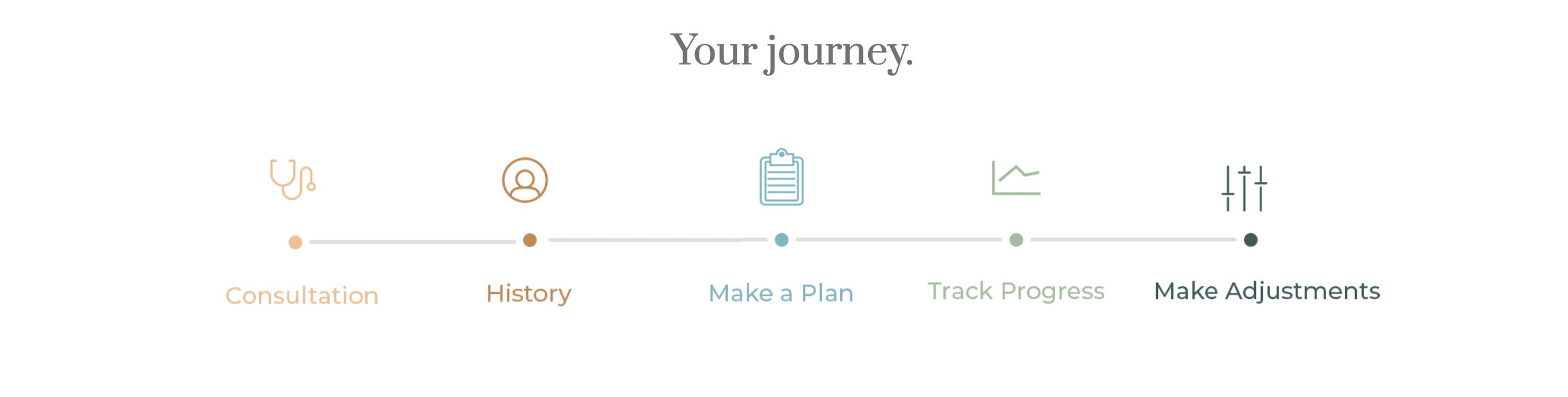
Our experienced wellness team leverages advanced diagnostic testing and comprehensive exams to understand what your body is trying to tell you. This full-service, holistic approach helps you heal by working with the natural functions within the body.
First, new patients complete a health profile to answer questions about current symptoms and medical history. We’ll sit down with you to discuss your health, listen to your concerns, and examine your symptoms. This consultation is an in-depth conversation where you can talk to the doctor, ask questions, and learn more about the diagnostic process. We ask questions about:
Curating a Plan
Next, a personalized plan is designed to help you restore health and optimize your wellness. This high-quality support continues as we track results and adjust your health practices over time. By evaluating each patient's unique needs, we can provide a clear roadmap to support healing and vitality.
This plan is designed to help each patient find relief from current symptoms while also reducing the need for prescription use and expensive medical services in the future.
Tracking Progress
You’ll benefit from ongoing support, with high-tech clinical tools that empower you to take control of your health. By utilizing symptom tracking and self-assessment, you can start to see the patterns that are affecting your symptoms and overall wellness. Our care team will evaluate this personalized feedback to provide new recommendations and adjustments as needed.
Are you sick and tired of being sick and tired?
Health Benefits
Ways to improve your life holistically starting and the root of your problems
Increased Energy
Through evaluation of the energy systems, we can determine factors that aggravate the energy restoration process, and use corrective interventions appropriate to the specific condition.
Better Digestion
The gut is the gateway to health - when you begin getting to the root of digestion issues by identifying the aggravating factors, it often improves other issues in the body.
Improved Mood
The foods you eat play an important role in supporting a healthy and happy mood. Identifying and removing inflammatory foods can help with this.
Increased brain focus
Analyzing exercise, nutrition, sleep, and environmental impacts helps us identify modifiable lifestyle factors that, when altered, may slow neurodegeneration and improve brain health.
Improve Immune System
Analyzing and adjusting diet, exercise, and other lifestyle modifiable factors can help support the health of your immune system.
Improved sleep
Adjusting diet, exercise, and other lifestyle factors can help increase blood flow, vital nutrients, and connection of one's body and mind to provide better quality sleep. In turn, getting more high quality sleep can have a positive impact on other health issues.
Reduce Health Care Costs
By uncovering and addressing underlying causes of the common conditions, Functional Medicine can liberate patients from their dependence on costly medications that are not designed to address the root causes of their disease.
Pain Relief
Functional medicine looks for underlying problems that could be playing a role in a patient’s pain. By altering modifiable factors like diet and exercise, they can eliminate the specific factors causing the pain.
Low Risk Treatments
Functional medicine is among the safest healthcare approaches because it focuses on prevention and healing through use of least invasive treatments - modifying existing lifestyle factors to find the root cause.
Reduced need for medications
By focusing on identifying the root cause of health issues, functional medicine can help a patient eliminate the environmental factor causing them pain, reducing or erasing the need for medication to minimize those effects.
Find out if functional medicine is right for you.
Sign up for a free call to see if you'd be a good fit for functional medicine.
The new landscape of healthcare
We offer telehealth nutrition and functional medicine sessions to keep accessible with your busy lifestyle.
FAQ
Functional Medicine is new territory for a lot of people. We understand the hesitancy that may come with that, and want to answer your every question to make you more comfortable.
Do you have other questions about our functional medicine approach? Contact us to schedule your free 15 minute Health Consultation to see if our functional approach is right for you. We’re here to help!